Pet Gifts

Best Dog Breeds You Can Gift to Families

Best Dog Breeds You Can Gift to Families
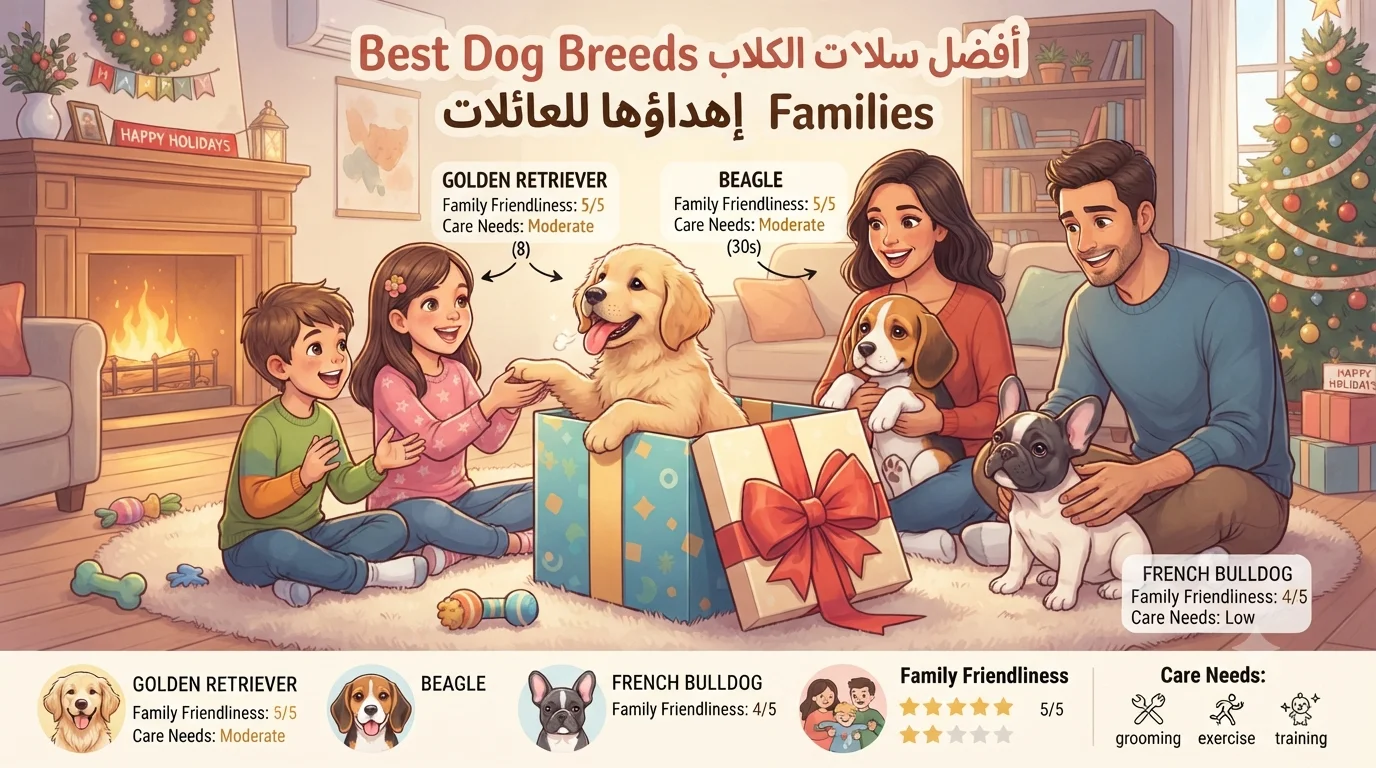
Giving a dog to someone you care about can be one of the most meaningful gifts imaginable. A loyal companion offers years of friendship, emotional support, and unforgettable memories. However, unlike traditional presents, a dog is a living animal that requires daily care, financial commitment, patience, and love. That is why choosing the right dog as a gift requires careful thought and planning.

Before surprising someone with a puppy, it is important to understand whether they are ready for the responsibility of pet ownership. Families have different lifestyles, living spaces, work schedules, and activity levels, all of which influence which breed will thrive in their home.

This guide explores the best family-friendly dog breeds, compares their personalities, grooming needs, exercise requirements, trainability, and health considerations, and explains everything you should know before choosing a puppy gift for loved ones.

read more about gift ideas for men

Is a Dog a Good Gift?

The idea of giving a puppy as a surprise is heartwarming, but it is not always the right decision.

A dog becomes part of the family for the next 10 to 15 years—or even longer depending on the breed.

Before giving a dog as a gift, ask these questions:

  • Does the family actually want a dog?
  • Do they have enough time every day?
  • Can they afford veterinary care?
  • Is anyone allergic?
  • Does their home allow pets?
  • Do they have enough living space?
  • Are they prepared for long-term responsibility?

If the answer to these questions is yes, then a carefully selected dog can become one of the most rewarding gifts imaginable.

Why Dogs Make Wonderful Family Companions

Dogs offer much more than companionship.

Research consistently shows that living with dogs can provide numerous benefits.

Emotional Benefits

Dogs help reduce:

  • loneliness
  • stress
  • anxiety

They also encourage emotional bonding among family members.

Physical Benefits

Dog ownership promotes:

  • daily walks
  • outdoor activities
  • exercise
  • healthier lifestyles

Children especially benefit from active play.

Educational Benefits for Children

Growing up with dogs teaches children:

  • responsibility
  • empathy
  • patience
  • kindness
  • communication

These life skills continue into adulthood.

What Makes a Good Family Dog?

Not every breed suits every household.

The best dogs for families typically share several characteristics.

They should be:

  • friendly
  • patient
  • trainable
  • gentle
  • adaptable
  • sociable
  • affectionate

Breed temperament remains important, although individual personality also matters.

Choosing the Right Puppy Gift

A successful puppy gift matches the family’s lifestyle.

Consider:

Home Size

Apartment living may favor smaller breeds.

Large houses with gardens can accommodate larger dogs.

Activity Level

Active families often enjoy energetic breeds.

Less active households may prefer calmer companions.

Children’s Ages

Some breeds tolerate toddlers exceptionally well.

Others are better suited for older children.

Grooming Expectations

Some breeds require daily brushing.

Others need minimal grooming.

Matching grooming needs to the family’s available time prevents future frustration.

Golden Retriever

Golden Retrievers consistently rank among the best family dogs worldwide.

Personality

They are:

  • gentle
  • affectionate
  • patient
  • intelligent

They usually form strong bonds with every family member.

Exercise Needs

Golden Retrievers require:

  • daily walks
  • games
  • swimming
  • outdoor activities

Without sufficient exercise they may become bored.

Grooming

Their beautiful coats require:

  • brushing several times weekly
  • regular bathing
  • seasonal shedding management

Best For

  • active families
  • homes with children
  • first-time owners

Labrador Retriever

Labradors remain one of the world’s most popular dogs for families.

Personality

Known for being:

  • friendly
  • outgoing
  • loyal
  • playful

They generally enjoy meeting new people.

Activity

Labs require significant exercise.

They love:

  • retrieving games
  • hiking
  • swimming
  • running

Grooming

Their short coats are relatively easy to maintain.

Weekly brushing is usually sufficient.

Best For

Families seeking energetic companions.

read more about mobile accessories gift

Cavalier King Charles Spaniel

For smaller households, Cavaliers make excellent companions.

Personality

They are:

  • affectionate
  • calm
  • adaptable
  • people-oriented

They enjoy relaxing with their owners.

Exercise

Moderate daily walks usually satisfy their activity needs.

Grooming

Silky coats require regular brushing.

Best For

  • apartments
  • retirees
  • smaller families

Beagle

Beagles remain popular because of their cheerful personalities.

Personality

They are:

  • curious
  • energetic
  • affectionate
  • sociable

Most Beagles enjoy spending time with children.

Exercise

Daily physical activity is essential.

Without stimulation they may become mischievous.

Grooming

Their short coats require minimal maintenance.

Best For

Active families who enjoy outdoor adventures.

Poodle

Poodles combine intelligence with elegance.

Available sizes include:

  • Toy
  • Miniature
  • Standard

Personality

Poodles are:

  • highly intelligent
  • trainable
  • affectionate
  • loyal

Grooming

Professional grooming is usually recommended every several weeks.

Exercise

Daily walks and mental stimulation keep them happy.

Best For

Families seeking highly trainable dogs.

Bernese Mountain Dog

Large families often appreciate Bernese Mountain Dogs.

Personality

These gentle giants are:

  • calm
  • patient
  • affectionate

They usually interact wonderfully with children.

Exercise

Moderate daily exercise is sufficient.

Grooming

Their thick coats require frequent brushing.

Best For

Homes with larger outdoor spaces.

Boxer

Boxers combine energy with loyalty.

Personality

They are:

  • playful
  • protective
  • affectionate

Many remain puppy-like throughout adulthood.

Exercise

They require:

  • vigorous daily exercise
  • interactive games

Grooming

Their short coats require little maintenance.

Best For

Energetic households.

Bichon Frise

Families wanting smaller companions often choose Bichons.

Personality

They are:

  • cheerful
  • affectionate
  • adaptable

Grooming

Professional grooming helps maintain their fluffy coats.

Best For

Families with limited living space.

Collie

Collies have earned reputations as outstanding family companions.

Personality

They are:

  • intelligent
  • loyal
  • protective
  • gentle

Training

Collies respond exceptionally well to positive reinforcement.

Exercise

Moderate activity keeps them healthy.

Best For

Families seeking dependable companions.

Newfoundland

Despite their enormous size, Newfoundlands possess gentle personalities.

Personality

Often called “gentle giants,” they are:

  • patient
  • protective
  • calm

Exercise

Moderate exercise satisfies most adults.

Grooming

Heavy coats require frequent maintenance.

Best For

Large families with spacious homes.

Comparing Popular Family Breeds

Breed Size Energy Grooming Child Friendly First-Time Owners
Golden Retriever Large High Moderate Excellent Excellent
Labrador Retriever Large High Easy Excellent Excellent
Beagle Medium High Easy Excellent Good
Poodle Various Moderate High Excellent Very Good
Boxer Large High Easy Very Good Good
Cavalier King Charles Spaniel Small Moderate Moderate Excellent Excellent
Bernese Mountain Dog Large Moderate High Excellent Good
Bichon Frise Small Moderate High Very Good Excellent
Collie Large Moderate Moderate Excellent Excellent
Newfoundland Giant Moderate High Outstanding Moderate

Preparing Your Home Before Bringing a Puppy Home

Before presenting a puppy gift, the family should prepare.

Necessary supplies include:

  • food bowls
  • collar
  • leash
  • identification tag
  • crate
  • comfortable bed
  • chew toys
  • grooming supplies
  • puppy food
  • cleaning products

Preparation reduces stress during the puppy’s first days.

First Veterinary Visit

Every new puppy should visit a veterinarian shortly after arriving home.

Initial care typically includes:

  • physical examination
  • vaccinations
  • parasite prevention
  • microchipping
  • nutrition advice

Early healthcare supports lifelong wellness.

Nutrition Matters

Growing puppies require balanced nutrition.

Choose food appropriate for:

  • breed size
  • age
  • activity level

Avoid feeding adult food during early development.

Fresh water should remain available at all times.

Choosing a dog as a gift is only the beginning of an exciting journey. Once the puppy arrives home, the family becomes responsible for providing proper nutrition, healthcare, training, exercise, and emotional support throughout the dog’s life.

Every breed has unique needs, but all dogs require consistent care and attention. Understanding these responsibilities before giving a puppy gift helps ensure that both the family and the dog enjoy a happy, healthy relationship for many years.

This section explores daily care requirements, compares the most popular dogs for families, discusses training and healthcare, estimates ownership costs, and provides practical advice for first-time dog owners.

The First Week at Home

The first few days are critical for helping a puppy adjust to its new environment.

Families should focus on creating a calm and predictable routine.

Create a Safe Space

Prepare a quiet area with:

  • A comfortable bed
  • Food and water bowls
  • Toys
  • A crate if crate training is planned
  • Puppy pads if necessary

Giving puppies their own safe space reduces stress during the transition.

Establish a Routine

Dogs learn more quickly when daily schedules remain consistent.

Maintain regular times for:

  • Feeding
  • Walks
  • Potty breaks
  • Playtime
  • Bedtime

Consistency builds confidence and accelerates training.

Nutrition for Growing Puppies

Proper nutrition supports healthy growth and development.

Puppies generally require food formulated specifically for their age and expected adult size.

Small Breeds

Need:

  • Higher calorie density
  • Smaller kibble
  • Frequent meals

Large Breeds

Require carefully balanced nutrition to support healthy bone development.

Avoid overfeeding, as excessive growth can contribute to joint problems.

Fresh drinking water should always be available.

Exercise Requirements by Breed

Exercise needs vary considerably.

Choosing the right breed means matching its energy level with the family’s lifestyle.

Breed Daily Exercise
Labrador Retriever 90–120 minutes
Golden Retriever 60–90 minutes
Boxer 90 minutes
Beagle 60–90 minutes
Poodle 60 minutes
Cavalier King Charles Spaniel 30–45 minutes
Bichon Frise 30–45 minutes
Bernese Mountain Dog 45–60 minutes
Newfoundland 30–45 minutes
Collie 60 minutes

Under-exercised dogs often develop behavioral problems caused by boredom.

Mental Stimulation Is Just as Important

Physical exercise alone is not enough.

Dogs also require mental enrichment.

Activities include:

  • Puzzle toys
  • Training sessions
  • Scent games
  • Hide-and-seek
  • Food-dispensing toys
  • Obstacle courses

Mental stimulation reduces destructive behavior.

Training Your Puppy

Training begins immediately after bringing the puppy home.

Positive reinforcement consistently produces the best results.

Reward desired behavior using:

  • Treats
  • Praise
  • Toys
  • Affection

Avoid punishment-based methods, which may increase fear and anxiety.

Basic Commands Every Family Dog Should Learn

Training should begin with simple commands.

Examples include:

  • Sit
  • Stay
  • Come
  • Down
  • Leave it
  • Drop it
  • Heel
  • Wait

These commands improve safety and strengthen communication.

House Training

House training requires patience.

Successful strategies include:

  • Frequent outdoor trips
  • Rewarding successful potty breaks
  • Consistent schedules
  • Close supervision

Most puppies become reliably house trained within several months.

Socialization

Proper socialization is one of the most important aspects of raising confident family dogs.

Expose puppies gradually to:

  • Children
  • Adults
  • Other dogs
  • Different environments
  • Sounds
  • Vehicles
  • Veterinary clinics

Positive experiences during puppyhood reduce future anxiety.

Grooming Requirements

Grooming needs differ significantly among breeds.

Low-Maintenance Coats

Examples:

  • Labrador Retriever
  • Beagle
  • Boxer

Weekly brushing is usually sufficient.

Moderate Grooming

Examples:

  • Golden Retriever
  • Collie
  • Cavalier King Charles Spaniel

Brush several times each week.

High Grooming Needs

Examples:

  • Poodle
  • Bichon Frise
  • Newfoundland

Professional grooming may be necessary every six to eight weeks.

Regular Veterinary Care

Preventive healthcare is essential.

Routine veterinary visits include:

  • Vaccinations
  • Parasite prevention
  • Dental examinations
  • Weight monitoring
  • General health checks

Early diagnosis often prevents more serious medical problems.

read more about wireless earbuds gift

Common Health Concerns

Although every dog is unique, some breeds have inherited health risks.

Examples include:

Golden Retrievers:

  • Hip dysplasia
  • Cancer
  • Heart disease

Labrador Retrievers:

  • Obesity
  • Joint disorders

Beagles:

  • Ear infections
  • Obesity

Boxers:

  • Heart conditions
  • Certain cancers

Poodles:

  • Eye disorders
  • Hip dysplasia

Responsible breeders screen breeding dogs to reduce inherited conditions.

Cost of Owning a Dog

Families should understand the financial commitment before accepting a dog as a gift.

Typical expenses include:

Initial Costs

  • Purchase or adoption fee
  • Vaccinations
  • Crate
  • Bed
  • Bowls
  • Toys
  • Collar
  • Leash

Ongoing Costs

  • Food
  • Grooming
  • Veterinary care
  • Flea prevention
  • Training
  • Pet insurance
  • Boarding during vacations

Budgeting in advance helps avoid unexpected financial stress.

Children and Dogs

Children often develop strong emotional bonds with dogs.

However, adults should supervise interactions.

Teach children to:

  • Respect the dog’s space
  • Avoid disturbing sleeping dogs
  • Handle pets gently
  • Never pull ears or tails
  • Allow dogs to eat peacefully

These habits promote safe relationships.

Apartment Living vs Houses

Some dogs for families adapt well to apartment life.

Suitable apartment breeds include:

  • Cavalier King Charles Spaniel
  • Bichon Frise
  • Toy and Miniature Poodles

Larger, energetic breeds generally benefit from homes with outdoor space.

Comparing Family-Friendly Breeds

Breed Grooming Trainability Energy Apartment Friendly Family Friendly
Golden Retriever Moderate Excellent High Moderate Excellent
Labrador Retriever Easy Excellent High Moderate Excellent
Beagle Easy Good High Good Excellent
Boxer Easy Very Good High Moderate Excellent
Poodle High Outstanding Moderate Excellent Excellent
Bichon Frise High Very Good Moderate Excellent Very Good
Cavalier King Charles Spaniel Moderate Very Good Moderate Excellent Excellent
Bernese Mountain Dog High Good Moderate Poor Excellent
Newfoundland High Good Moderate Poor Outstanding
Collie Moderate Excellent Moderate Moderate Excellent

Signs a Family Is Ready for a Puppy

A family is generally prepared if they:

  • Have sufficient time
  • Can afford veterinary care
  • Understand long-term responsibility
  • Have discussed the decision together
  • Provide suitable living space
  • Are committed to training

A puppy should never be an impulsive purchase.

Mistakes to Avoid

Many new owners unintentionally create challenges.

Avoid:

  • Skipping early training
  • Inconsistent routines
  • Overfeeding
  • Insufficient exercise
  • Ignoring socialization
  • Delaying veterinary visits
  • Leaving puppies alone for excessive periods

Prevention is always easier than correcting behavioral problems later.

Frequently Asked Questions

Is a dog a good gift for families?

A dog as a gift can be wonderful when the entire family is prepared for the responsibility. It should never be a surprise if the recipients are uncertain about owning a pet.

Which puppy gift is best for families with young children?

Golden Retrievers, Labrador Retrievers, Cavalier King Charles Spaniels, and Bernese Mountain Dogs are widely recognized for their gentle temperaments and suitability for children.

Which family dog requires the least grooming?

Beagles, Boxers, and Labrador Retrievers have relatively low-maintenance coats that require only regular brushing.

What is the easiest dog for first-time owners?

Golden Retrievers, Labrador Retrievers, Cavalier King Charles Spaniels, and Poodles are often recommended because they are intelligent, friendly, and highly trainable.

How much exercise do family dogs need?

Requirements vary by breed, but most healthy dogs benefit from daily walks, play sessions, and mental enrichment to stay physically and emotionally healthy.

Should families adopt or buy a puppy?

Both options can be excellent. Adoption provides homes for dogs in need, while purchasing from a responsible breeder may be appropriate for families seeking a specific breed with documented health testing.

Giving a dog as a gift is far more than presenting an adorable puppy—it is introducing a loyal companion who may remain part of the family for the next decade or longer. Choosing the right puppy gift means carefully matching the dog’s temperament, exercise needs, grooming requirements, and personality with the family’s lifestyle and long-term commitment.

Whether selecting energetic Labrador Retrievers, affectionate Golden Retrievers, intelligent Poodles, gentle Bernese Mountain Dogs, or smaller companions such as the Cavalier King Charles Spaniel, the most successful dogs for families are those whose needs align with the home they join. Proper training, preventive healthcare, balanced nutrition, regular exercise, and patient socialization help these dogs become loving, well-adjusted companions.

Ultimately, the best gift is not simply the puppy itself, but the thoughtful preparation that ensures both the dog and its new family can build a safe, healthy, and rewarding relationship filled with companionship, trust, and unforgettable memories for years to come.

A dog can become one of the most cherished members of a family, offering years of companionship, loyalty, and unconditional love. However, deciding to give a dog as a gift should never be based solely on appearance or popularity. Every breed has unique characteristics, exercise needs, grooming requirements, and personality traits that influence how well it fits into a particular household.

The happiest families are those who choose a dog whose temperament and care requirements match their lifestyle rather than selecting a breed simply because it is fashionable. Whether you are considering a playful Labrador Retriever, a gentle Golden Retriever, a compact Cavalier King Charles Spaniel, or another family-friendly breed, thoughtful planning is the key to a successful lifelong relationship.

This final section compares different family situations, explains how to choose the right breed, discusses adoption versus buying from a breeder, outlines the first year of ownership, and answers the most common questions people ask before giving a puppy gift.

Matching the Right Breed to the Right Family

Every household is different.

The best dogs for families depend on factors such as:

  • Family size
  • Children’s ages
  • Home size
  • Work schedules
  • Activity level
  • Previous dog experience
  • Budget
  • Grooming preferences

There is no single “perfect” breed for everyone.

Instead, the perfect dog is the one that fits naturally into the family’s daily routine.

Best Breeds for Active Families

Families who enjoy outdoor activities often benefit from energetic dogs.

Suitable breeds include:

Labrador Retriever

Labradors love:

  • Hiking
  • Swimming
  • Running
  • Fetch games
  • Family adventures

Their enthusiasm makes them ideal companions for active households.

Golden Retriever

Golden Retrievers are equally energetic while remaining exceptionally patient with children.

They enjoy:

  • Long walks
  • Camping trips
  • Beach outings
  • Outdoor sports

Boxer

Boxers have playful personalities and endless energy.

They thrive with families who can provide daily exercise and interactive games.

Best Breeds for Apartment Living

Smaller homes require breeds that adapt well to limited space.

Excellent choices include:

Cavalier King Charles Spaniel

These affectionate dogs are:

  • Quiet
  • Adaptable
  • Friendly
  • Easygoing

Moderate exercise usually meets their needs.

Bichon Frise

Bichons remain cheerful companions while adapting well to apartment environments.

Their moderate energy levels suit urban living.

Miniature Poodle

Miniature Poodles combine intelligence with manageable size.

Their trainability makes them excellent city companions.

Best Dogs for Families with Young Children

Safety and patience become especially important.

Highly recommended breeds include:

  • Golden Retriever
  • Labrador Retriever
  • Newfoundland
  • Bernese Mountain Dog
  • Collie

These breeds generally tolerate children’s energy while remaining gentle and affectionate.

Adult supervision should always be present regardless of breed.

Best Dogs for First-Time Owners

First-time owners often benefit from breeds that are:

  • Easy to train
  • Friendly
  • Adaptable
  • Forgiving

Excellent beginner breeds include:

  • Golden Retriever
  • Labrador Retriever
  • Cavalier King Charles Spaniel
  • Poodle
  • Bichon Frise

These dogs respond well to positive reinforcement and generally integrate smoothly into family life.

Adoption vs Buying from a Breeder

Families often debate whether to adopt or purchase a puppy.

Both options have advantages.

Adoption

Benefits include:

  • Giving a homeless dog a second chance
  • Lower adoption costs
  • Adult dogs often already house trained
  • Supporting animal welfare organizations

Many shelters have wonderful family dogs waiting for homes.

Responsible Breeders

Ethical breeders typically provide:

  • Health screenings
  • Pedigree information
  • Early socialization
  • Breed-specific guidance

If purchasing from a breeder, avoid puppy mills and prioritize responsible breeding practices that emphasize health and temperament.

read more about perfume gift for men

The First Year with a Puppy

The first year involves rapid growth and learning.

Months 2–3

Focus on:

  • House training
  • Socialization
  • Basic commands
  • Veterinary vaccinations

Months 4–6

Continue:

  • Obedience training
  • Leash walking
  • Exposure to new environments
  • Confidence building

Months 7–12

Many puppies become more energetic during adolescence.

Continue reinforcing:

  • Good manners
  • Recall
  • Positive behavior
  • Daily routines

Consistency during the first year creates a well-adjusted adult dog.

Annual Care Checklist

Responsible ownership includes regular care throughout the year.

Daily

  • Fresh water
  • Nutritious meals
  • Exercise
  • Playtime
  • Affection

Weekly

  • Brushing
  • Ear inspection
  • Tooth brushing
  • Nail checks

Monthly

  • Parasite prevention
  • Weight monitoring
  • Grooming as needed

Annually

  • Veterinary examination
  • Vaccinations
  • Dental assessment
  • Health screening

Preventive care contributes significantly to long-term health.

Estimated Annual Ownership Costs

Costs vary depending on location and breed.

Expense Estimated Frequency
Food Monthly
Routine Veterinary Care Annual
Vaccinations Annual
Grooming Every 6–8 weeks for some breeds
Flea and Tick Prevention Monthly
Toys As Needed
Bedding Occasionally
Pet Insurance Monthly or Annually
Training Classes Optional

Larger breeds generally require more food and may incur higher healthcare costs than smaller dogs.

Common Behavioral Challenges

Even the best dogs for families require training and guidance.

Some common issues include:

Chewing

Puppies explore their environment using their mouths.

Provide safe chew toys to redirect behavior.

Jumping

Teach polite greetings early.

Reward calm behavior instead of excitement.

Barking

Identify the cause before attempting correction.

Barking may result from:

  • Boredom
  • Fear
  • Alerting
  • Separation anxiety

Proper exercise and mental stimulation often reduce excessive barking.

Separation Anxiety

Gradually teach puppies to feel comfortable spending short periods alone.

Avoid creating excessive dependence.

Choosing Based on Time Availability

Before selecting a dog as a gift, honestly evaluate how much time the family can dedicate each day.

Families with Limited Time

Better choices include:

  • Cavalier King Charles Spaniel
  • Bichon Frise
  • Adult rescue dogs with moderate energy

Families with Plenty of Time

They may successfully care for:

  • Labrador Retriever
  • Golden Retriever
  • Boxer
  • Border Collie (for highly active owners)

Matching energy levels prevents frustration for both people and dogs.

Comparison of Family-Friendly Breeds

Breed Grooming Exercise Trainability Child Friendly Apartment Friendly
Golden Retriever Moderate High Excellent Excellent Moderate
Labrador Retriever Easy High Excellent Excellent Moderate
Beagle Easy Moderate to High Good Excellent Good
Boxer Easy High Very Good Excellent Moderate
Poodle High Moderate Outstanding Excellent Excellent
Cavalier King Charles Spaniel Moderate Moderate Very Good Excellent Excellent
Bernese Mountain Dog High Moderate Good Excellent Poor
Newfoundland High Moderate Good Outstanding Poor
Bichon Frise High Moderate Very Good Very Good Excellent
Collie Moderate Moderate Excellent Excellent Moderate

Signs That a Family Is Ready for a Dog

A family is generally prepared when they:

  • Have discussed the decision together.
  • Understand the financial commitment.
  • Can provide daily exercise.
  • Have sufficient living space.
  • Plan regular veterinary care.
  • Are committed to lifelong ownership.
  • Are willing to invest time in training.

If these conditions are not yet met, waiting may be the better choice.

Frequently Asked Questions

Is giving a dog as a gift ever a bad idea?

It can be if the recipient is unprepared or unwilling to care for the dog. A puppy should never be given as a surprise without ensuring the family is ready for the long-term commitment.

Which puppy gift is best for first-time families?

Golden Retrievers and Labrador Retrievers are among the best choices because of their friendly personalities, intelligence, and adaptability. Smaller families or apartment dwellers may prefer Cavalier King Charles Spaniels or Miniature Poodles.

Are rescue dogs good family pets?

Yes. Many rescue dogs become outstanding family companions when matched with the right household and given time to adjust.

Which family dog sheds the least?

Poodles and Bichon Frises are known for their low-shedding coats, although they require regular professional grooming.

How much exercise do family dogs need?

Exercise requirements vary by breed, but all dogs benefit from daily physical activity combined with mental stimulation and social interaction.

Should children help care for the dog?

Yes. Age-appropriate responsibilities such as filling the water bowl, brushing the dog under supervision, or helping with walks can teach responsibility and strengthen the bond between children and their pet.

read more about sunglasses gift

Giving a dog as a gift can create years of happiness, companionship, and unforgettable family memories—but only when the decision is made thoughtfully. A dog is not a temporary present; it is a lifelong commitment that deserves careful planning, proper care, and genuine dedication.

When selecting a puppy gift, focus on matching the dog’s temperament, size, grooming requirements, exercise needs, and personality with the family’s daily routine rather than choosing solely based on appearance. Well-known family dogs such as the Golden Retriever, Labrador Retriever, Cavalier King Charles Spaniel, Poodle, Bernese Mountain Dog, and Collie each offer unique strengths, making them excellent companions for different types of households.

Ultimately, the best dogs for families are those that receive consistent training, quality nutrition, regular veterinary care, daily exercise, and plenty of affection. Whether the dog comes from a responsible breeder or a rescue organization, providing a loving, stable home is the greatest gift a family can offer. With patience, preparation, and commitment, a family dog becomes far more than a pet—it becomes a trusted friend, a loyal protector, and a cherished member of the family for many wonderful years.

Leave a Reply